In an industry built around moving heavy loads efficiently, safety can sometimes become routine—until tragedy strikes. Despite advances in forklift technology, one of the most effective safety devices remains the simplest: the seatbelt.
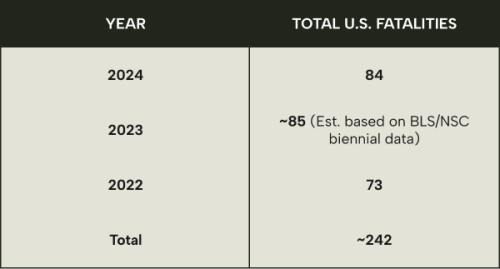
Over the past three years, forklift-related fatalities in the United States have remained alarmingly consistent, with approximately 240 workers losing their lives. What’s even more concerning is that many of these deaths were preventable.
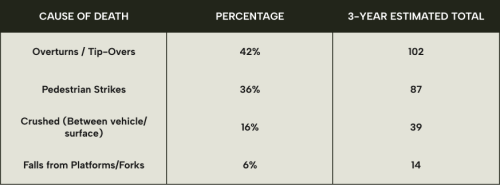
The leading cause of forklift fatalities continues to be tip-overs, accounting for roughly 42% of all fatal incidents. Safety professionals often refer to the resulting accident as the “mousetrap” effect. When a forklift begins to overturn, many operators instinctively try to jump clear. Unfortunately, the machine’s overhead guard often moves faster than the operator can react, resulting in the worker being crushed beneath the falling equipment.
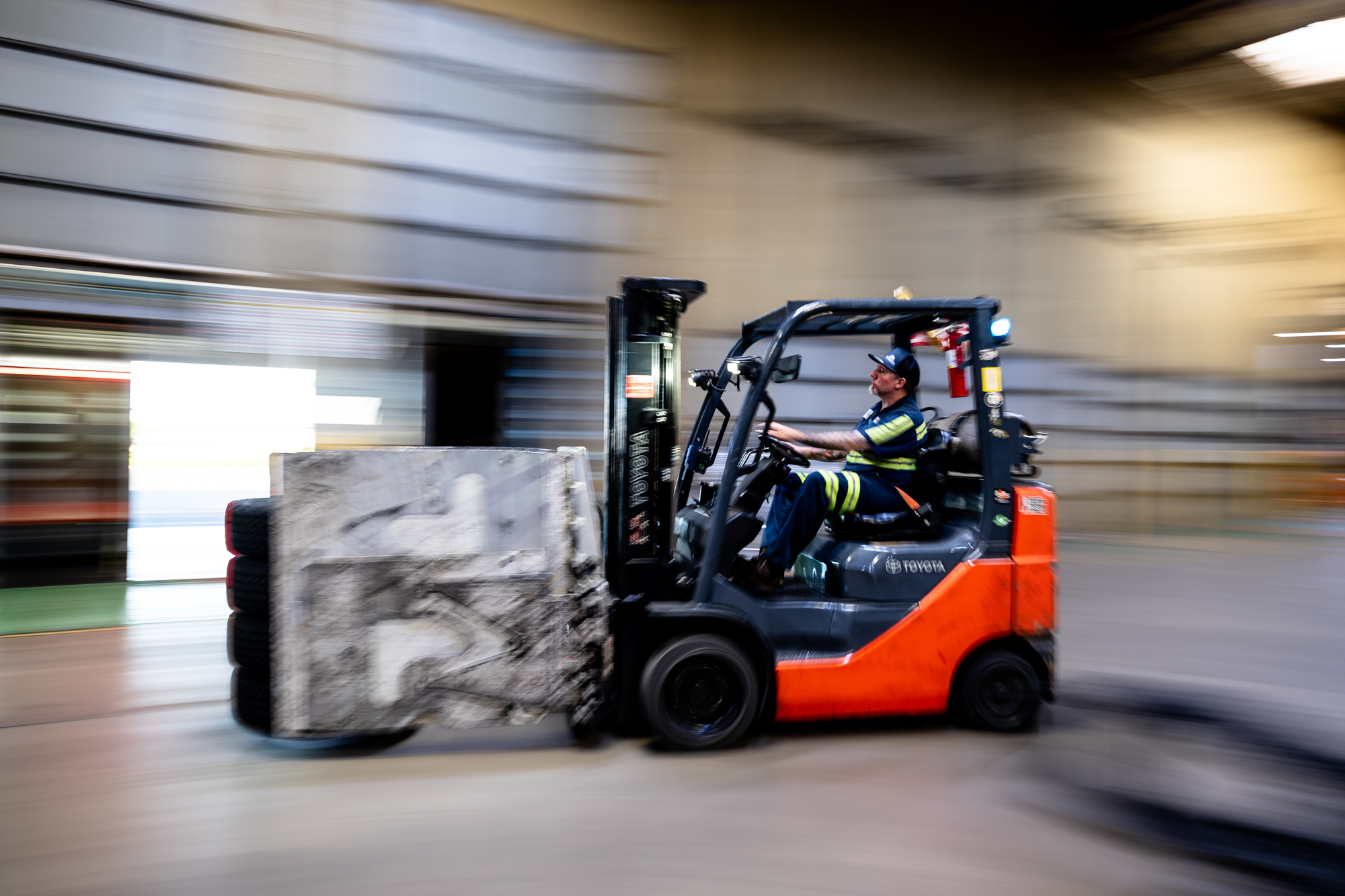
This is where the seatbelt becomes a lifesaver. When properly buckled, the operator remains inside the forklift’s protective zone—often called the “safety cage” or rollover protective structure. Instead of being thrown or pinned, the operator is kept securely in place, dramatically improving their chances of walking away from the incident.
The challenge is compliance. In busy warehouses and distribution centers, operators may enter and exit their equipment dozens of times each hour. Some view seatbelts as an inconvenience that slows productivity. Yet the few seconds required to buckle up pale in comparison to the consequences of a serious injury or fatality.
Industry experts estimate that a large percentage of forklift accidents can be prevented through proper training and adherence to basic safety procedures. Among those procedures, wearing a seatbelt remains one of the simplest and most effective.
As businesses continue investing in equipment, technology, and operational efficiency, safety must remain the foundation of every operation. Whether operating a large piece of construction equipment or a standard warehouse forklift, the message is clear:
Stay in the cage. Stay alive.
Industry Insight: Consistent operator training and mandatory seatbelt policies remain among the most effective tools for reducing workplace accidents and ensuring every employee makes it home safely at the end of the day.
Total Fatalities (2022-2024)
Fatalities By Primary Cause (3-Year Average)